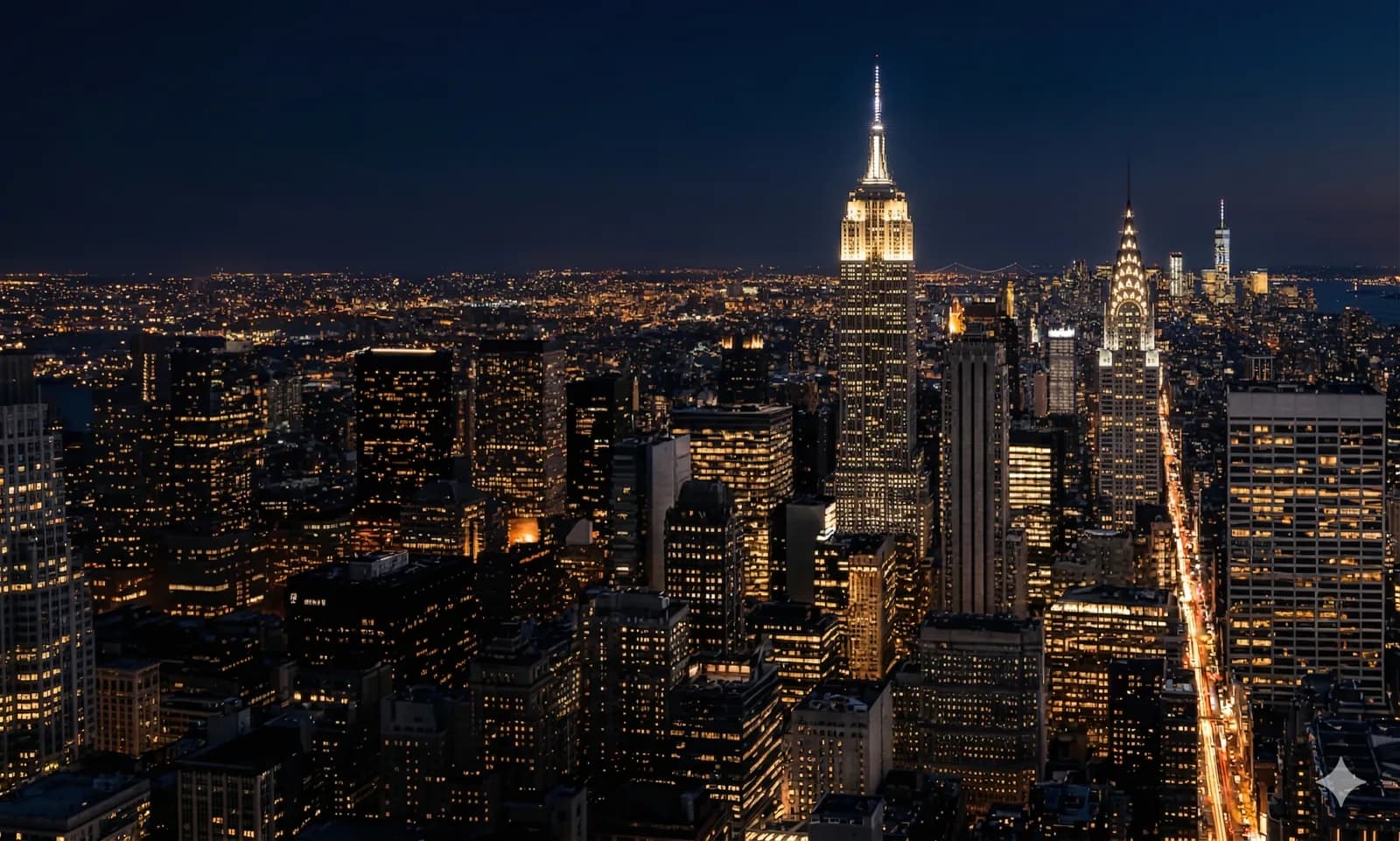
Hourly executive sedan in Manhattan
- — Sedan
- —
- — SUV
- —
- — Sprinter
- —
- — Hourly
- $95–$175/hr (4-hour minimum standard)
— Notes
Mercedes S-Class or BMW 7 Series, 1–3 passengers, 3–4 bags. Default for solo-principal board days and small executive groups.
Business-window quote review. One vehicle, one chauffeur, one window — committed before the day begins.
NYC chauffeur service is hourly pre-arranged hire of a TLC-licensed chauffeur and one luxury vehicle (sedan, SUV, or executive Sprinter) for a defined window — four-hour minimum at the premium tier — with the same vehicle attached through every stop. Artisan Chauffeur & Concierge is a ground transportation concierge that books each engagement through vetted licensed local operators. Manhattan hourly runs $95–$175 sedan, $125–$210 SUV, $150–$240 Sprinter. Use it for multi-stop business days, UNGA, Fashion Week, Met Gala, Marathon, and Hamptons weekends. For a single transfer, black car is cleaner.
NYC Chauffeur Service — Hourly Pre-Arranged Driver and Vehicle by the Day.
Midtown board days and investor roadshows · UN General Assembly High-Level Week (Sep 21–27, 2026)
Luxury sedans · Executive SUVs
Hourly · Quote-specific minimum
Concierge review · Quote
24 hours standard lead for routine business days. 2–3 weeks of lead is the realistic floor for UNGA, NYFW, Met Gala, Marathon Sunday, NYE, summer-Friday Hamptons inventory, and Art Basel parallel weeks.
Pickup and continuous chauffeur block across Manhattan, the five boroughs, Westchester, Greenwich, Hoboken / Jersey City, Long Island, the Hamptons, and Newark / EWR. Multi-day retention available with planned chauffeur rotation.
These are operator-network planning ranges, not a published rate card. Final hourly quote varies by vehicle class, duty window, stop pattern, Congestion Relief Zone exposure, lead time, and date. Premium event windows (UNGA, NYFW, Met Gala, Marathon, NYE) sit at the upper end.
Mercedes S-Class or BMW 7 Series, 1–3 passengers, 3–4 bags. Default for solo-principal board days and small executive groups.
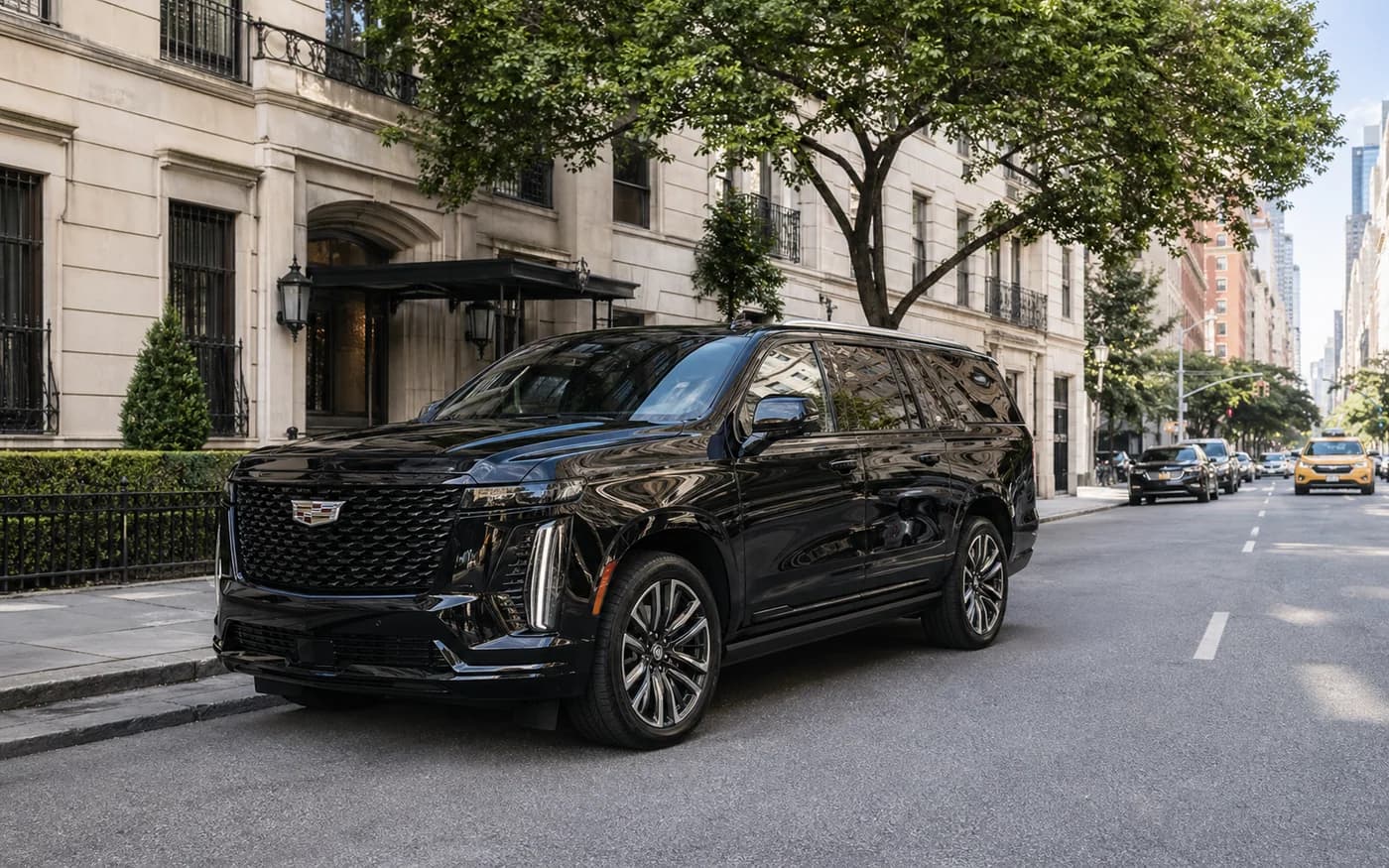
Cadillac Escalade ESV or Lincoln Navigator L, 3–6 passengers, 5–6 bags. Default for family days, luggage-heavy itineraries, and four-person principal groups.
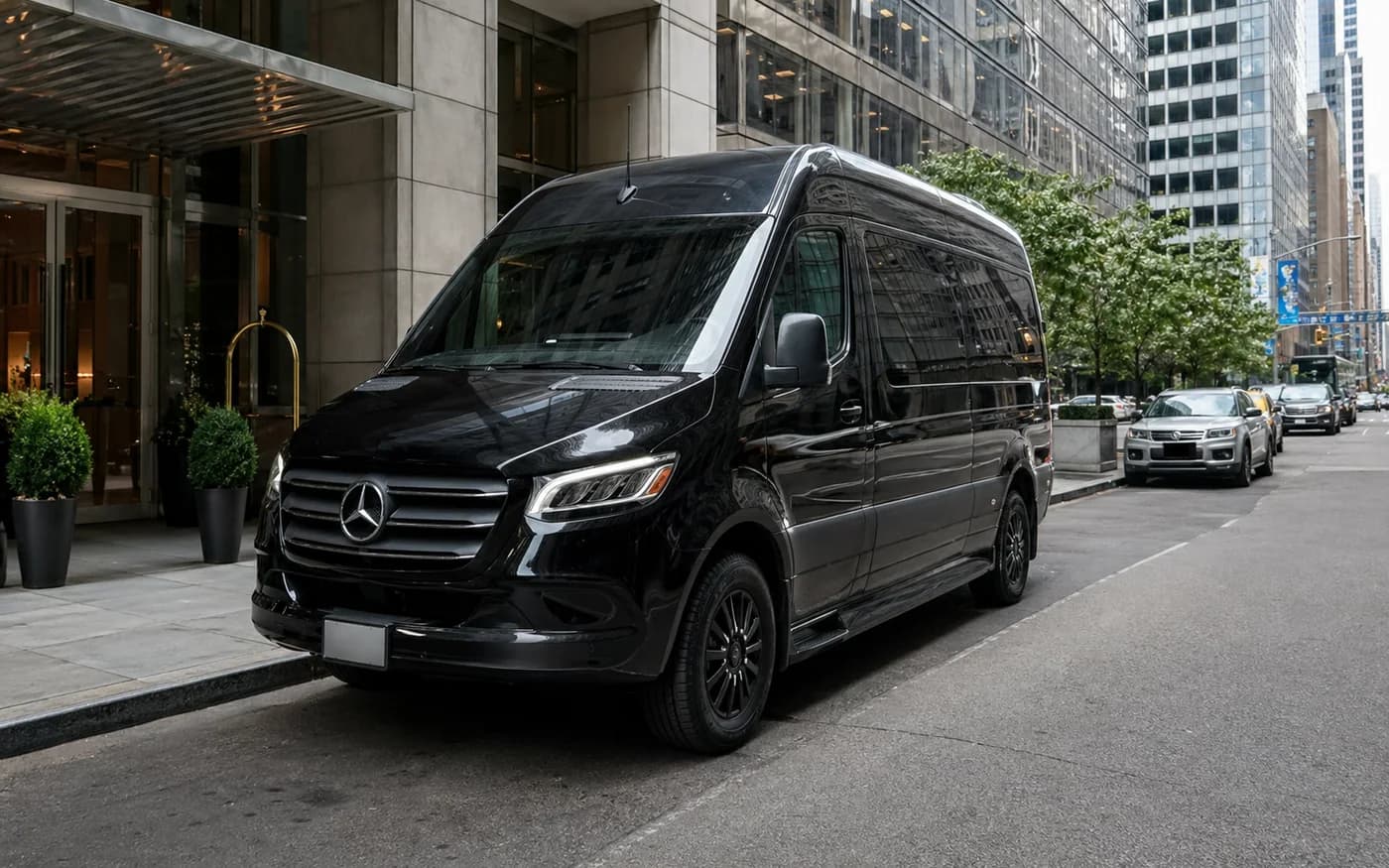
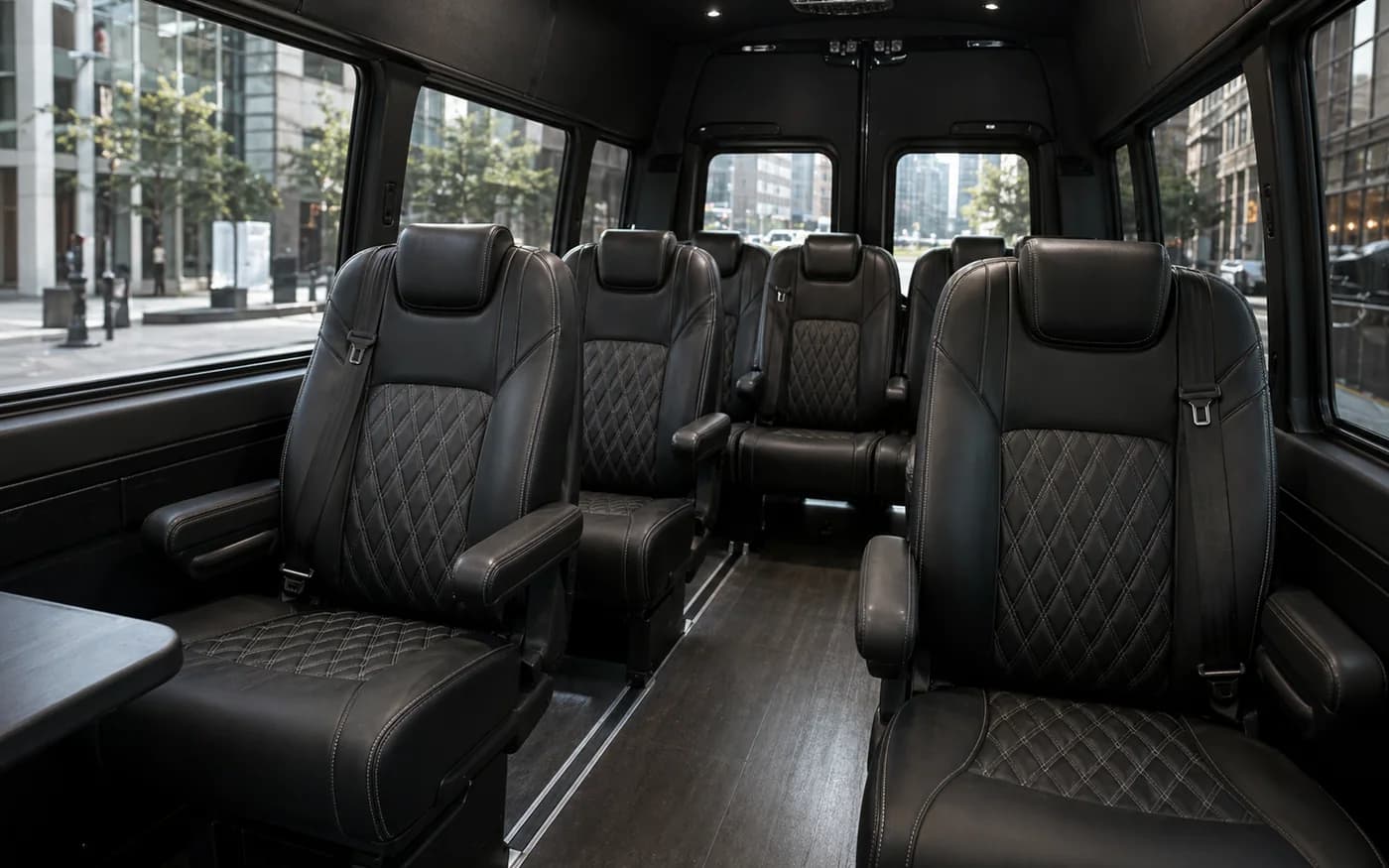
Mercedes 170 EXT with Midwest Automotive Designs or Grech captain-chair conversion, 7–10 passengers, 8 bags. Default for Fashion Week show parties, UNGA delegations, and roadshow groups.
Daily-block model with 9–10 hour days, planned chauffeur break rotation under federal Hours-of-Service rules, overnight vehicle retention. Quoted as daily rate plus per-hour overage rather than straight hourly accumulation.
Friday afternoon Manhattan pickup eastbound, Saturday in-town block, Sunday-westbound or JFK / HPN release. Overnight chauffeur retention near the property; Shinnecock Canal drawbridge timing factored. Ten-hour day cap with break rotation; Sunday-return surge on summer weekends.
We review every quote by hand. Send the trip details and we send a quote by email after concierge review.
Artisan Chauffeur & Concierge is a ground transportation concierge that books every NYC chauffeur engagement through vetted, licensed local operators dispatched from a TLC-licensed Black Car base. Artisan Chauffeur & Concierge does not own vehicles or employ chauffeurs.
Every NYC chauffeur engagement is dispatched through a TLC-licensed Black Car base; every chauffeur holds a current TLC FHV Driver License; the assigned vehicle carries a current TLC plate and the TLC-mandated commercial liability coverage in force on every licensed FHV. The Commission licenses the base, the driver, and the vehicle separately, and all three are publicly searchable on the TLC LookUp tool.[NYC TLC — For-Hire Vehicle Bases]
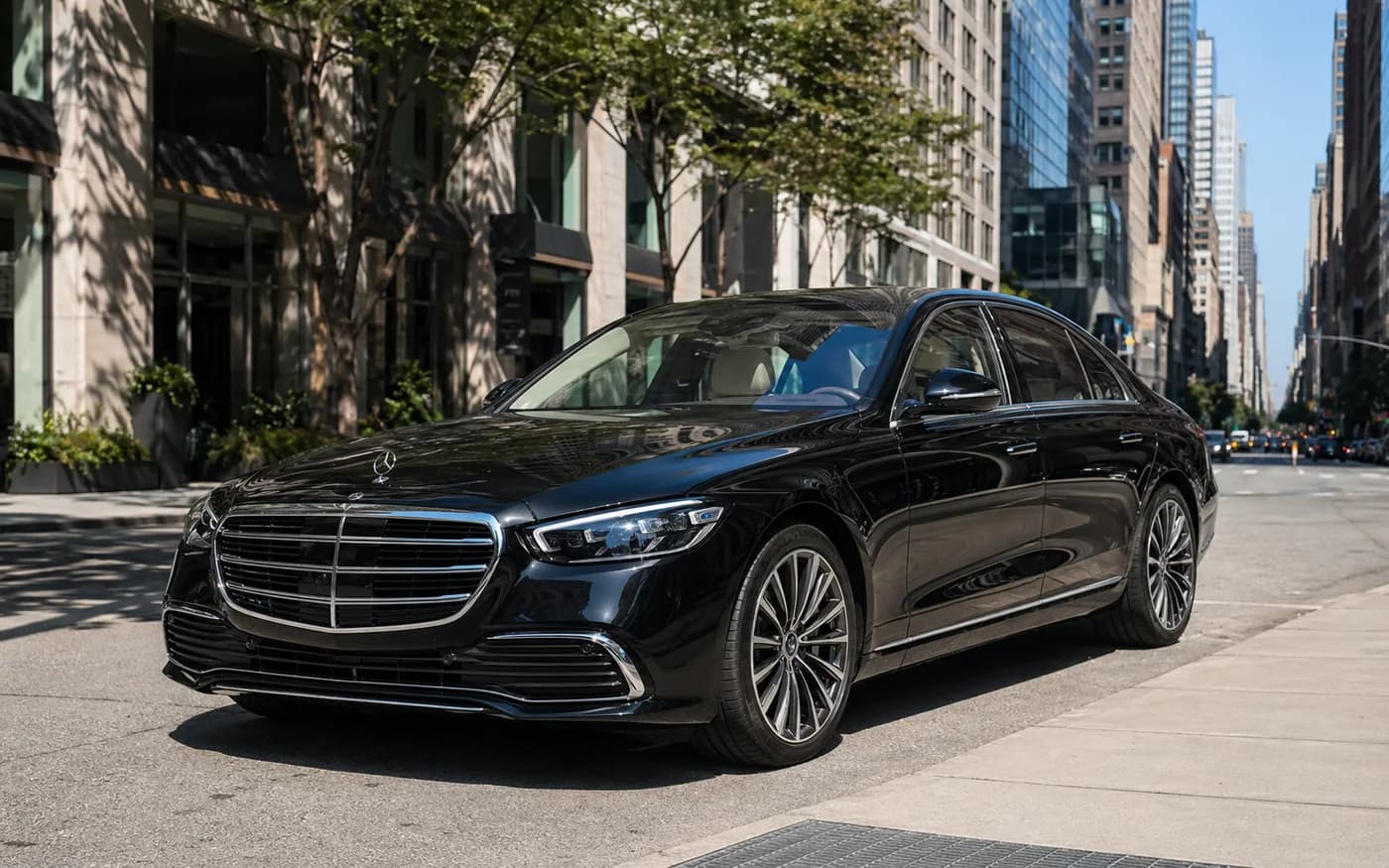
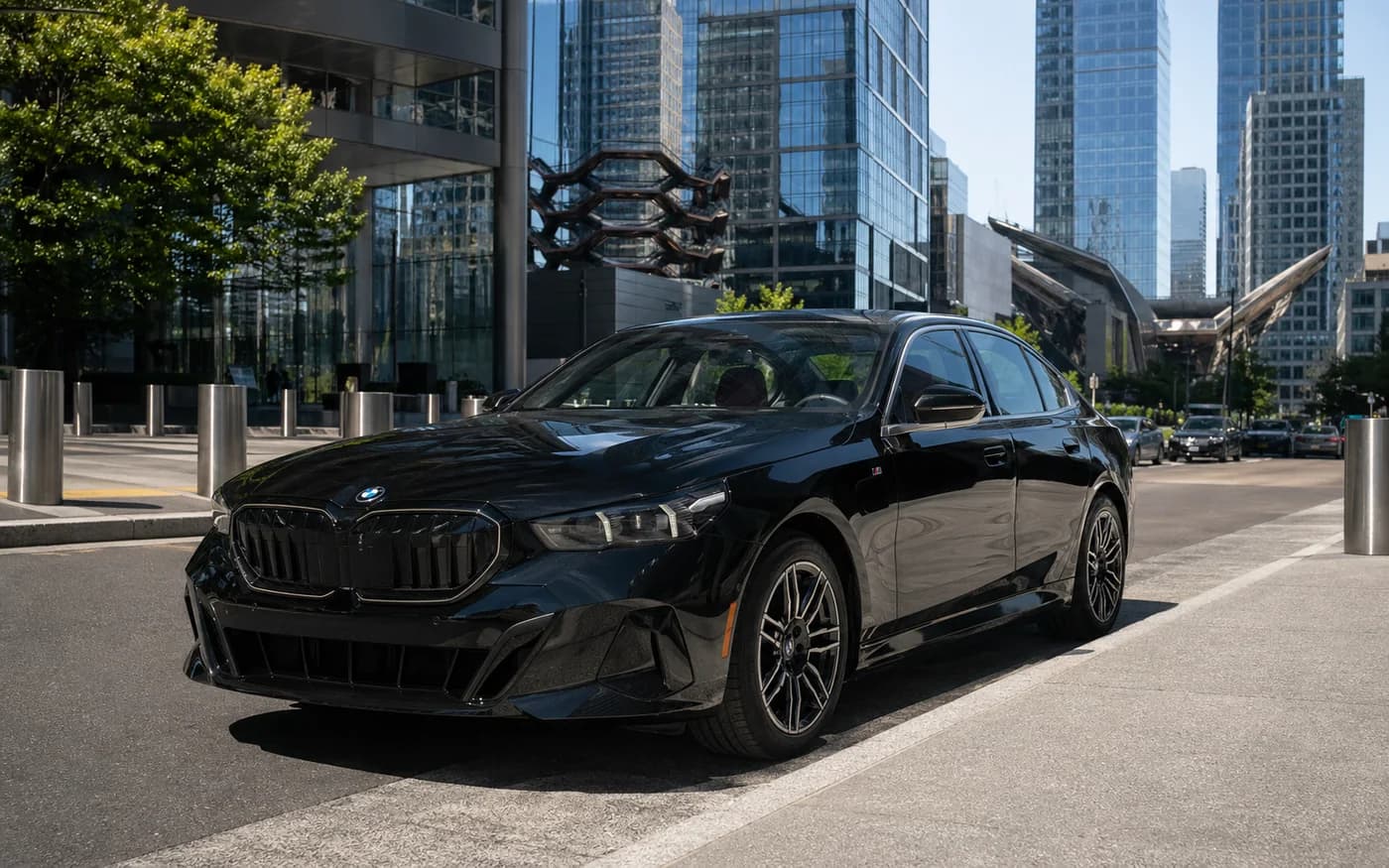
Mercedes-Benz S-Class, BMW 7 Series, Audi A8
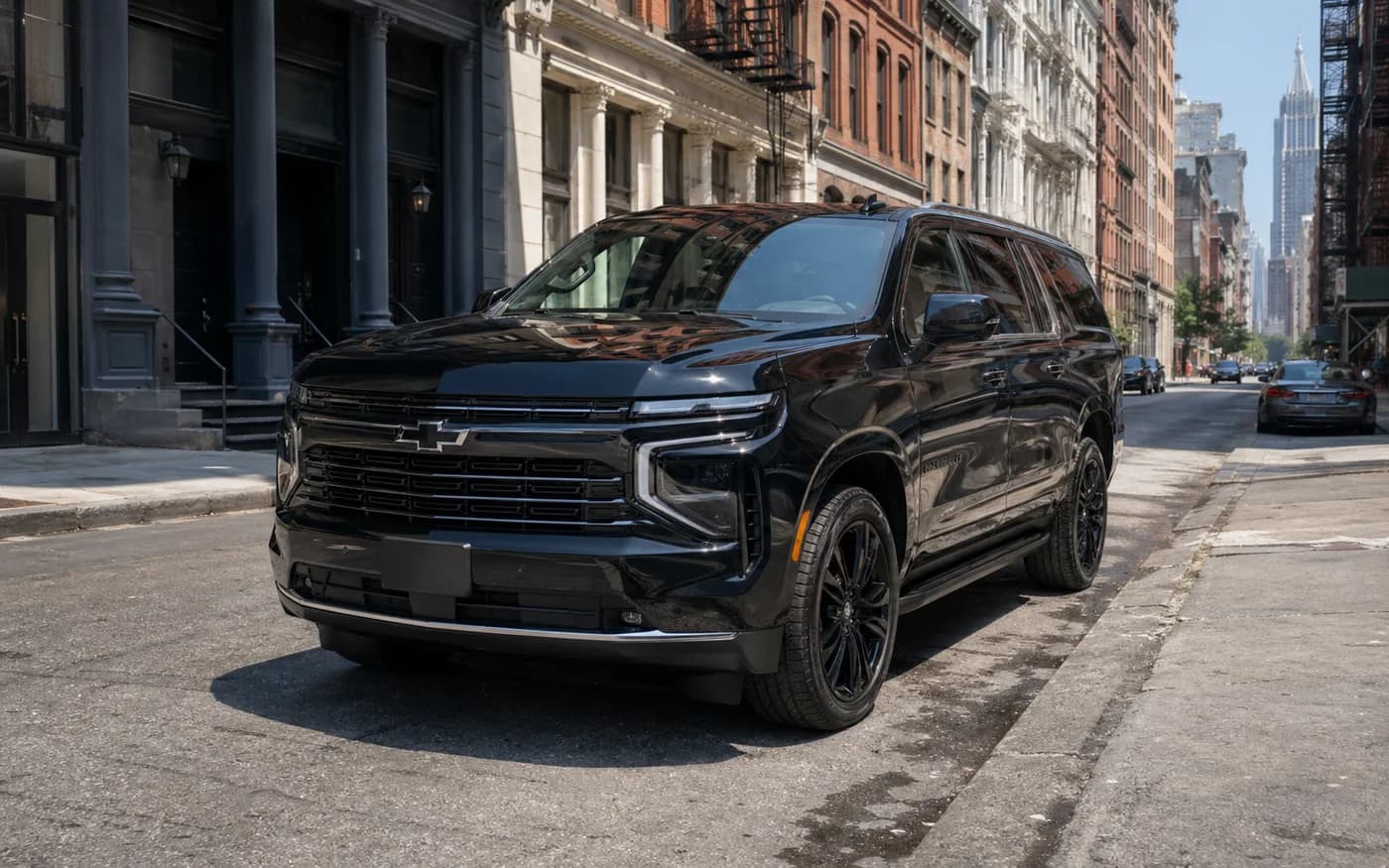
Cadillac Escalade ESV, Lincoln Navigator L, Chevrolet Suburban, GMC Yukon XL
Mercedes 170 EXT with Midwest Automotive Designs or Grech captain-chair conversion (power, WiFi, divider)
NYC chauffeur service through Artisan Chauffeur & Concierge is hourly, pre-arranged hire of a TLC-licensed chauffeur and one luxury vehicle — sedan, SUV, or executive Sprinter — for a defined window, with the same vehicle attached through every stop, at a four-hour premium-tier minimum. Manhattan hourly runs $95–$175 sedan, $125–$210 SUV, and $163–$225 Sprinter, with the duty window, stop list, overage policy, and release plan confirmed in writing first. Use it for investor roadshows, board days, multi-stop dinners, and event weeks like UN General Assembly — any time the vehicle should wait rather than be re-hailed at each stop.
Efficient for one clean pickup and drop-off, but billing a fresh trip per stop costs more and risks no car waiting when a meeting runs long.
No guaranteed vehicle between stops, surge during the exact peaks roadshows hit, and a different driver each leg with no continuity.
Parking, congestion-zone exposure, and no ability to work between stops — versus a chauffeur who stages and returns on call.
| — Alternative | — The tradeoff vs. a pre-arranged Artisan trip |
|---|---|
| Per-trip black car | Efficient for one clean pickup and drop-off, but billing a fresh trip per stop costs more and risks no car waiting when a meeting runs long. |
| Uber Black on-demand | No guaranteed vehicle between stops, surge during the exact peaks roadshows hit, and a different driver each leg with no continuity. |
| Self-drive / parking | Parking, congestion-zone exposure, and no ability to work between stops — versus a chauffeur who stages and returns on call. |
NYC chauffeur service is an hourly pre-arranged private driver and luxury vehicle (executive sedan, premium SUV, or executive Sprinter) committed by the hour with a four-hour minimum standard across the premium operator base and a two-hour minimum at some sedan-only LUX tiers. Artisan Chauffeur & Concierge is a ground transportation concierge that books every chauffeur engagement through vetted, licensed local operators — every chauffeur holds a current NYC TLC FHV Driver License, and the vehicle is dispatched from a TLC-licensed Black Car base whose base license, driver license, and TLC vehicle plate are all separately verifiable. Unlike point-to-point black car service, the vehicle and chauffeur stay dedicated for the full window: waiting at the doorman canopy, transferring across the five boroughs, Westchester, Greenwich, the Hamptons, or Newark, and absorbing schedule drift without a restart fee. Artisan Chauffeur & Concierge hourly pricing in Manhattan: $95–$175 per hour for an executive sedan, $125–$210 for a premium SUV, and $150–$240 for an executive Sprinter — most operators sit at the upper end of those bands once the four-hour minimum is in force, with overage billed per quarter-hour or half-hour depending on the operator.
Artisan Chauffeur & Concierge is a ground transportation concierge that books every NYC chauffeur engagement through vetted, licensed local operators — hourly pre-arranged transportation with one luxury vehicle and one TLC-licensed chauffeur dispatched from a TLC-licensed Black Car base, committed to a defined window. Four hours minimum at the premium tier, two hours at some sedan-only entry tiers, with the same vehicle staying with the passenger across the day. Artisan Chauffeur & Concierge hourly pricing in Manhattan: $95–$175/hr sedan, $125–$210/hr SUV, $150–$240/hr executive Sprinter (4-hour minimum standard). That is the structural difference from black car service, which is point-to-point and ends at the destination. Hourly chauffeur is the right structure for a Midtown board day that strings Park Avenue, Hudson Yards, and the Financial District together; UNGA week (September 21–27, 2026) when motorcade frozen zones make rebooked legs unreliable; Fashion Week (February and September 2026) and Met Gala Monday (May 4, 2026) when the same vehicle has to wait through dinner-to-afterparty releases; the NYC Marathon (November 1, 2026) when half of Manhattan and Brooklyn is closed to vehicles; and Hamptons summer Fridays when one operator holds the car through the eastbound and Sunday-westbound legs. The vehicle waits at doorman buildings, transfers across the five boroughs and Westchester, and absorbs schedule drift without restarting the meter or the dispatch.
Use this section to choose the right service structure for the trip — point-to-point black car, hourly chauffeur block, executive-account travel, event or limousine work, or Sprinter / group movement.
The strongest chauffeur use case in Manhattan: an 8–12 stop day starting at the Four Seasons Downtown or The Carlyle, moving through Park Avenue meetings (270 Park, JPMorgan), a Hudson Yards lunch (KKR, BlackRock, Related), an afternoon block downtown (Goldman 200 West, Brookfield Place), then a Greenwich or Teterboro release. Holding one TLC-licensed sedan dispatched from a Black Car base through the day avoids rebuilding the dispatch every time a meeting runs over, and lets the chauffeur learn the doorman protocols at each tower before the second visit.
UNGA 81 General Debate runs September 22–28, 2026 at UN Headquarters on First Avenue. Frozen zones around 42nd–48th Street between First and Third Avenue, plus rolling motorcade closures across the East Side, make point-to-point dispatch unworkable for delegations and corporate visitors. The chauffeur block keeps one vehicle staged outside the security perimeter, follows NYPD diversion routing in real time, and absorbs the unpredictable releases that define UNGA week. Two-week minimum lead time for vehicle availability inside that window.
NYFW runs September 11–16, 2026 (Spring/Summer 2027 collections) and February 12–17, 2026 (Fall 2026 collections) across Spring Studios in Tribeca, Skylight at Moynihan Train Hall, and dispersed venues from Chelsea to the Lower East Side. Met Gala lands first Monday in May — May 4, 2026 — on the Met steps with afterparties at The Standard, Zero Bond, and Casa Cipriani. Both patterns string a hotel pickup, three to four venue changes, dinner, and a 1–3am release into one chauffeur block; rebooking on app dispatch at 2am on the Lower East Side is the failure mode hourly is built to prevent.
The TCS New York City Marathon runs Sunday, November 1, 2026 from Fort Wadsworth across Verrazzano, through all five boroughs, finishing in Central Park. Verrazzano-Narrows, Pulaski, Queensboro/59th Street, Willis Avenue, Madison Avenue, and the entire Central Park loop close from early morning through late afternoon. A hotel-to-finish-line, hotel-to-spectator-cluster, or post-race brunch itinerary works only as a chauffeur block with a chauffeur who has run the marathon route before; otherwise the day fails on closure intersections.
Manhattan to Southampton is ~90 miles, East Hampton ~100, Montauk ~120. Friday eastbound 2–8pm and Sunday westbound 3–9pm regularly stretch a 2-hour drive past four hours; the Shinnecock Canal drawbridge is the choke point. Multi-day chauffeur retention with the same vehicle Friday through Sunday — including overnight parking near the property, a Saturday in-town block for restaurants and the beach, and a Sunday-westbound airport release — is the operating model serious Hamptons weekenders use. Single transfers fail on Sunday return.
A Teterboro (Signature East / South / West / North — the former Meridian — plus Atlantic Aviation and Jet Aviation) or HPN arrival often continues into a Midtown meeting block, hotel check-in at The Mark or The Pierre, dinner at Carbone or 4 Charles Prime Rib, and a same-day FBO release. The chauffeur block ties the FBO handoff to the rest of the day so the vehicle never disappears between segments. Tail number tracking, FBO door confirmation, and authorized-passenger lead are confirmed at booking, not at the ramp.
The route, building, terminal, venue, and release window all matter. These are planning patterns, not fixed promises.
5–8 hour block
Most common NYC corporate shape: hotel pickup at The Carlyle, The Lowell, or The Mark; sequential meetings through 270 Park, Hudson Yards, and FiDi; lunch at the Lambs Club or Estiatorio Milos; close at a dinner reservation or a TEB release. Vehicle waits at each doorman canopy. Quote built around the duty window, not mileage. Congestion Relief Zone exposure ($1.50 HVFHV pass-through per Manhattan-below-60th entry) is itemized.
8–10 hour block
Delegation or corporate-visitor pattern during UNGA 81 (Sep 21–27, 2026): hotel near the East Side, multiple stops inside the frozen zone reachable only by approved corridor, side meetings at consulates and law firms, an evening reception. Vehicle stages outside the perimeter, repositions on NYPD direction. This pattern fails as point-to-point — the third leg is when the dispatch breaks.
5–7 hour block
Hotel pickup, Spring Studios or Skylight Moynihan show, Standard High Line dinner, Zero Bond afterparty, hotel return — or, on Met Gala Monday, Mark Hotel pickup, Met steps, Standard rooftop. Lower East Side and Tribeca curb conditions and 2am release windows make rebooking unreliable; hourly keeps the vehicle attached.
Multi-day
Friday afternoon Manhattan pickup, eastbound to East Hampton or Sag Harbor with Shinnecock Canal timing factored in, Saturday in-town block, Sunday westbound return or JFK/HPN release. Multi-day rates apply with overnight chauffeur retention and a planned break rotation; single days exceeding 10 hours require a second-driver or a long break window under federal Hours-of-Service rules.
4–6 hour block
TEB Signature East ramp arrival, GW Bridge or Lincoln Tunnel into Midtown, hotel check-in, afternoon meeting, dinner, then TEB release the same evening or next morning. Flight tracking on the front end, FBO door on the back end, hourly through the middle. The chauffeur should know which Signature address (East, South, or West) before the arrival, not after.
6–10 hour block
Pre-race hotel-to-staging, mid-race hotel-to-spectator-cluster (Brooklyn, Queens, First Avenue, or Central Park East), post-race finisher pickup near Tavern on the Green or Columbus Circle, brunch reservation, hotel return. Half of Manhattan and Brooklyn is closed; the chauffeur needs to have run the route before, not navigate it for the first time.
Premium NYC operators standardize on a four-hour minimum once the vehicle is held in true hourly mode for S-Class, Escalade ESV, Navigator L, and executive Sprinter bookings — the same regulatory and operational rule applied across Blacklane, Carey, EmpireCLS, Dial 7, and Gotham Ride. Some sedan-only LUX tiers publish two-hour or three-hour minimums at lower rate bands ($75–$110/hr), but those tiers are not the same vehicle class as the S-Class executive sedan most "chauffeur service" searches expect. Below four hours at the premium tier, point-to-point pricing usually wins; above four hours, hourly almost always wins.
The quote needs the shape of the day, not the count of stops. A six-hour day with two long meetings is straightforward; a six-hour day with eight quick drops across Midtown and the Financial District needs a routing plan and a passenger lead who can confirm doorman canopy versus side-street pickup at each tower. Specifying the door (front canopy at 740 Park, side service entrance at 15 Central Park West, motorcourt at 432 Park), the gate code at gated co-ops, and the passenger contact at each stop matters more than the address.
Three NYC hold patterns to choose between. Wait: the vehicle stages at or near the venue and is available within minutes — usable at hotel canopies and most office towers but illegal for an extended hold at any below-60th curb without active loading. Release: the vehicle leaves and returns at a confirmed time, freeing curb space and avoiding tickets — the default for theatre, dinner, and event releases. Split-shift: the vehicle is released for a long midday gap (more than two hours, common on roadshow days with a 12–2pm break) and resumes for the evening. Each prices differently and has a different reliability profile.
Multi-day chauffeur engagements — UNGA week, Fashion Week, Met Gala weekend, Marathon weekend, Hamptons summer Fridays, wedding weekends — price as a daily rate plus per-hour overage rather than straight hourly accumulation. Overnight retention can hold the vehicle and same chauffeur across consecutive days at a per-day premium; longer engagements rotate chauffeurs under federal Hours-of-Service rules. Confirm at booking whether the quote is continuous retention or a daily-block model.
Twenty-four hours is the standard lead time for a routine business day or a single-vehicle Midtown evening. Two to three weeks of lead is the realistic floor for UNGA High-Level Week (Sep 21–27, 2026), Fashion Week (Feb 12–17 and Sep 11–16, 2026), Met Gala Monday (May 4, 2026), Marathon Sunday (Nov 1, 2026), New Year's Eve, summer-Friday Hamptons inventory, and Art Basel parallel weeks. Inside two weeks during those windows, premium S-Class and executive Sprinter availability tightens to the point that the rate bands published earlier in this section no longer hold.
Any single day over 10 hours requires a planned chauffeur break or a second-driver rotation. Federal Hours-of-Service rules apply to commercial chauffeurs operating TLC-licensed vehicles; ignoring the break is how a 14-hour Met Gala or NYE day fails on hour 12 with a chauffeur who has been on duty since 8am. Build the rotation into the quote, not into the apology.
The NYC Taxi & Limousine Commission licenses the base, the driver, and the vehicle separately. The base operating authority is what carries the "Black Car" service classification — Title 35 RCNY §59A defines a Black Car base as one whose business is at least 90% non-cash, pre-arranged trips. The chauffeur holds a current TLC FHV Driver License; the vehicle carries a current TLC plate; "Black Car" is not a chauffeur license category. Every Artisan Chauffeur & Concierge NYC chauffeur engagement is dispatched from a TLC-licensed Black Car base, not a livery base or an unlicensed sedan. Commercial-insurance, criminal-background, drug-testing, defensive-driving, and vehicle-inspection requirements all sit on the operator and the driver under the TLC's separate license schemes; the Black Car base classification is what we book.
The MTA Congestion Relief Zone has charged a $9 peak / $2.25 overnight passenger-car E-ZPass toll for entering Manhattan local streets south of and including 60th Street since January 5, 2025. HVFHV trips (Uber Black, Lyft Black) pass through $1.50 per trip; yellow / green taxis and non-HVFHV TLC FHVs (which includes most pre-arranged TLC black cars) pass through $0.75 per trip. A premium chauffeur day across Midtown and FiDi will typically be charged once per E-ZPass per day for entry — the per-trip pass-through is a separate FHV charge. Per the MTA first-year evaluation, traffic into the zone fell about 12% with roughly 87,000 fewer vehicles per day; the discounted initial rate stays through 2025, 2026, AND 2027, with the next step-up to $12 in 2028 and $15 in 2031. The quote itemizes the pass-through rather than burying it. Routing decisions also account for FDR Drive and West Side Highway / Route 9A exemption — a Midtown-to-FiDi run via FDR avoids zone exposure entirely.
Park Avenue and Fifth Avenue co-ops, Central Park West and CPS hotels, and Hudson Yards and One Vanderbilt towers each run different curb rules. 740 Park, 15 CPW, and 220 CPS expect a quick canopy drop and a parked hold at a side-street position the chauffeur is expected to know. Office towers like 200 West, 270 Park, and One Vanderbilt run actively managed loading docks with security pre-screening for the vehicle. The chauffeur should already know the staging plan; if not, the assistant should ask before the day begins.
During UNGA High-Level Week, NYPD enforces frozen zones around UN Headquarters (42nd–48th between First and Third Avenue) and rolling closures across the East Side for arriving motorcades. Standard GPS routing fails inside the perimeter; the chauffeur works from NYPD daily advisories and pre-cleared corridors. Lead time on every leg should add 30–60 minutes versus a normal Midtown day, and the vehicle stages outside the perimeter rather than inside it.
Sunrise Highway and the Long Island Expressway compress on summer Fridays from 2pm eastbound and on Sundays from 3pm westbound. The Shinnecock Canal drawbridge is the single biggest reliability variable east of Hampton Bays — it opens for marine traffic on schedules that move week to week. A chauffeur who has worked the corridor knows whether to take Route 27 through Southampton or detour via Sunrise to Montauk Highway, and whether the Friday quote should be priced at standard or surge inventory rates.
Flight-tracked pickups, coordinated with the rest of the day. Each airport below resolves to its own plan — terminal, carrier, pickup window, and the next meeting, event, hotel, or residence timing.
International arrivals, premium-cabin flights, and longer transfers into Manhattan, Brooklyn, and Long Island.
Fastest commercial airport play for many Manhattan and Upper East Side itineraries.
Useful for Manhattan and New Jersey trips that need tunnel-aware planning from the start.
Private aviation handoffs built around the correct FBO, tail timing, and Manhattan release plan.
Commercial and private-air travel for Westchester, Greenwich, and Manhattan-bound schedules.
Nassau, Suffolk, station handoffs, MacArthur choices, and longer airport runs.
DUMBO, Brooklyn Heights, Williamsburg, Red Hook, and venue-heavy curbside planning.
Doorman buildings, board days, hotel arrivals, and below-60th-Street routing decisions.
Local route logic and neighborhood-specific trip planning.
Local route logic and neighborhood-specific trip planning.
Local route logic and neighborhood-specific trip planning.
Hudson waterfront pickups, tunnel choices, EWR logic, and Manhattan-bound schedules.
Friday eastbound, Sunday westbound, airport-to-house transfers, and East End final-mile planning.
Fits clean point-to-point airport, hotel, office, and residence transfers.
Fits when presentation and occasion matter alongside the route itself.
Fits assistant-managed business travel between airports, offices, and hotels.
Fits group movement, airport parties, event teams, and heavier luggage loads.
| — Option | — Pricing | — Best for | — Weakness |
|---|---|---|---|
| Hourly chauffeur (Artisan Chauffeur & Concierge, retained) | $95–$175/hr sedan, $125–$210/hr SUV, $150–$240/hr Sprinter, four-hour minimum at the premium tier | Multi-stop business days, UNGA / Fashion Week / Met Gala, multi-meeting roadshows, Hamptons weekends, FBO continuations | Overscoped for a single airport transfer or a one-way Midtown-to-FiDi run — the four-hour minimum makes the per-hour math worse than a flat point-to-point |
| Black car service (point-to-point) | $165–$220 sedan / $220–$285 SUV JFK↔Manhattan; $115–$165 sedan / $145–$210 SUV LGA↔Manhattan; flat all-in by lane | One pickup, one release — airport transfers, Manhattan business moves with no waiting, doorman-building hotel arrivals on a single segment | Vehicle ends at the destination; the second leg is a rebooked dispatch with a new ETA, which is the failure mode hourly chauffeur is built to prevent on event nights |
| Standard rideshare (Uber Black, Lyft Black) | Variable surge — typical 2–4x in PM peak, 4–9x on UNGA, NYFW, Met Gala, Marathon Sunday, NYE, and snow events | Off-peak short city rides where surge is low and the vehicle does not need to wait | No pre-assigned vehicle or chauffeur, no flight tracking, no doorman-building protocol coordination, no committed hold across stops; surge math breaks event nights |
Submit a request with the duty start and end times, the day's shape (stops or rough cadence), passenger and bag count, vehicle preference, and any wait / release expectations. UNGA, NYFW, Met Gala, Marathon, and Hamptons summer-Friday requests need 2–3 weeks of lead.
A reviewed quote returns after business-window review. The quote names the vehicle class, hourly rate, four-hour (or operator-specific) minimum, overage billing increment, hold pattern, cancellation terms, and itemized Congestion Relief Zone pass-through.
Once the quote is accepted, a TLC-licensed Black Car operator and a specific TLC FHV-licensed chauffeur are assigned to the duty window. Vehicle make, model, and TLC plate are confirmed by email — substitutions require explicit re-confirmation, not a curb-side swap.
On the day, a single dispatcher coordinates with the lead passenger by phone and text — pickup confirmation, doorman protocol at each tower, hold-pattern transitions between stops, and overage decisions inside the duty window. The chauffeur stays on the same number across the full block.
At the planned release, the duty window closes; any overage rounds to the operator's billing increment (quarter-hour or half-hour). The reconciled invoice itemizes the hourly base, overage, CRZ pass-through, and tolls — matching the quote line by line.
One concierge, one reviewed quote, one operator for every ride in the itinerary. Tell us the day and the route — a concierge sends the quote by email after review.
— CONCIERGE REVIEW · NO OBLIGATION
Our team curates the perfect ride through vetted local operators, ensuring every detail meets our rigorous standards of excellence.
Premium hourly chauffeur in NYC typically prices $95 to $175 per hour for an executive sedan (Mercedes S-Class, BMW 7-Series), $125 to $210 per hour for a premium SUV (Cadillac Escalade ESV, Lincoln Navigator L), and $150 to $240 per hour for an executive Sprinter, with a four-hour minimum standard at the premium tier. Some sedan-only LUX tiers publish lower rates ($75–$110/hr) with two-hour or three-hour minimums but those are not the same vehicle class. Artisan Chauffeur & Concierge quotes the day rather than a rate card; the all-in number depends on duty window, vehicle class, stop pattern, Congestion Relief Zone exposure, and overage exposure.
In NYC the regulatory class is the same — both run on TLC Black Car licenses through TLC-licensed Black Car bases. The operating model is what differs. Black car service is point-to-point: one pickup, one drop, the vehicle leaves. Chauffeur service is hourly: the same vehicle and TLC-licensed chauffeur stay with the passenger for a defined block, typically four hours minimum. If the day is one airport transfer or a single Midtown-to-FiDi run, black car wins on price. If the day is multi-stop, has uncertain release times (board day, UNGA, Fashion Week, Met Gala), or strings several venues together, hourly chauffeur wins on reliability and usually on total cost once the second leg is included.
Four hours is the standard minimum across most premium NYC operators on S-Class, Escalade ESV, Navigator L, and executive Sprinter bookings. Some sedan-only LUX tiers publish a two-hour or three-hour minimum at lower entry rate bands, but the four-hour rule applies once the vehicle is held in true hourly mode at the premium tier. Below four hours at the premium class, a point-to-point or transfer quote is usually cleaner; above four hours, hourly almost always wins on reliability and total cost.
Yes — that is the model. The vehicle stages at or near the venue and is available when the passenger is ready, with no rebooking and no new dispatch. Three hold patterns exist: wait (vehicle stays close at a doorman canopy or side-street position), release (vehicle leaves and returns at a confirmed time, the default for theatre, dinner, and Met Gala or Fashion Week venue holds), and split-shift (vehicle is released for a long midday gap of more than two hours and resumes for the evening). Specify the pattern at booking; each prices differently and has a different reliability profile in Midtown curb conditions.
Yes, with two-to-three weeks of lead time as the realistic floor. UNGA High-Level Week (Sep 21–27, 2026), Fashion Week (Feb 12–17 and Sep 11–16, 2026), Met Gala Monday (May 4, 2026), and the TCS NYC Marathon (Nov 1, 2026) all carry vehicle-availability constraints inside two weeks of the date. UNGA also requires a chauffeur familiar with NYPD frozen-zone routing around the UN; Marathon Sunday requires a chauffeur who has run the closure pattern before. New Year's Eve, summer-Friday Hamptons inventory, and Art Basel parallel weeks carry the same lead-time floor.
Yes. Multi-day chauffeur engagements — UNGA week, Fashion Week, Met Gala weekend, Marathon weekend, Hamptons summer Fridays, wedding weekends, extended business visits — price as a daily rate plus per-hour overage rather than straight hourly accumulation. Overnight retention can hold the vehicle and same chauffeur across consecutive days at a per-day premium; engagements over 10 hours rotate chauffeurs under federal Hours-of-Service rules. Confirm at booking whether the quote is continuous retention or a daily-block model.
Standard premium classes are the Mercedes S-Class or BMW 7-Series executive sedan (1–3 passengers, 3–4 bags), Cadillac Escalade ESV or Lincoln Navigator L premium SUV (3–6 passengers, 5–6 bags), Mercedes V-Class or executive Sprinter with Midwest Automotive Designs or Grech captain-chair conversion (7–10 passengers, 8 bags), and full passenger Sprinter (13–15 passengers). The S-Class is the default executive sedan; the Escalade ESV is the default for families and luggage-heavy days; the executive Sprinter is the default for Fashion Week show parties, UNGA delegations, and roadshow groups. Stretch limousines have effectively exited the premium chauffeur rotation.
Twenty-four hours is the standard lead time for routine business days, single-vehicle requests, and most airport transfers. Two to three weeks of lead is the realistic floor for UNGA High-Level Week (Sep 21–27, 2026), Fashion Week (Feb 12–17 and Sep 11–16, 2026), Met Gala Monday (May 4, 2026), the TCS NYC Marathon (Nov 1, 2026), New Year's Eve, summer-Friday Hamptons inventory, and Art Basel parallel weeks. Inside two weeks during those windows, premium S-Class and executive Sprinter availability tightens and surge dynamics make pricing less predictable.